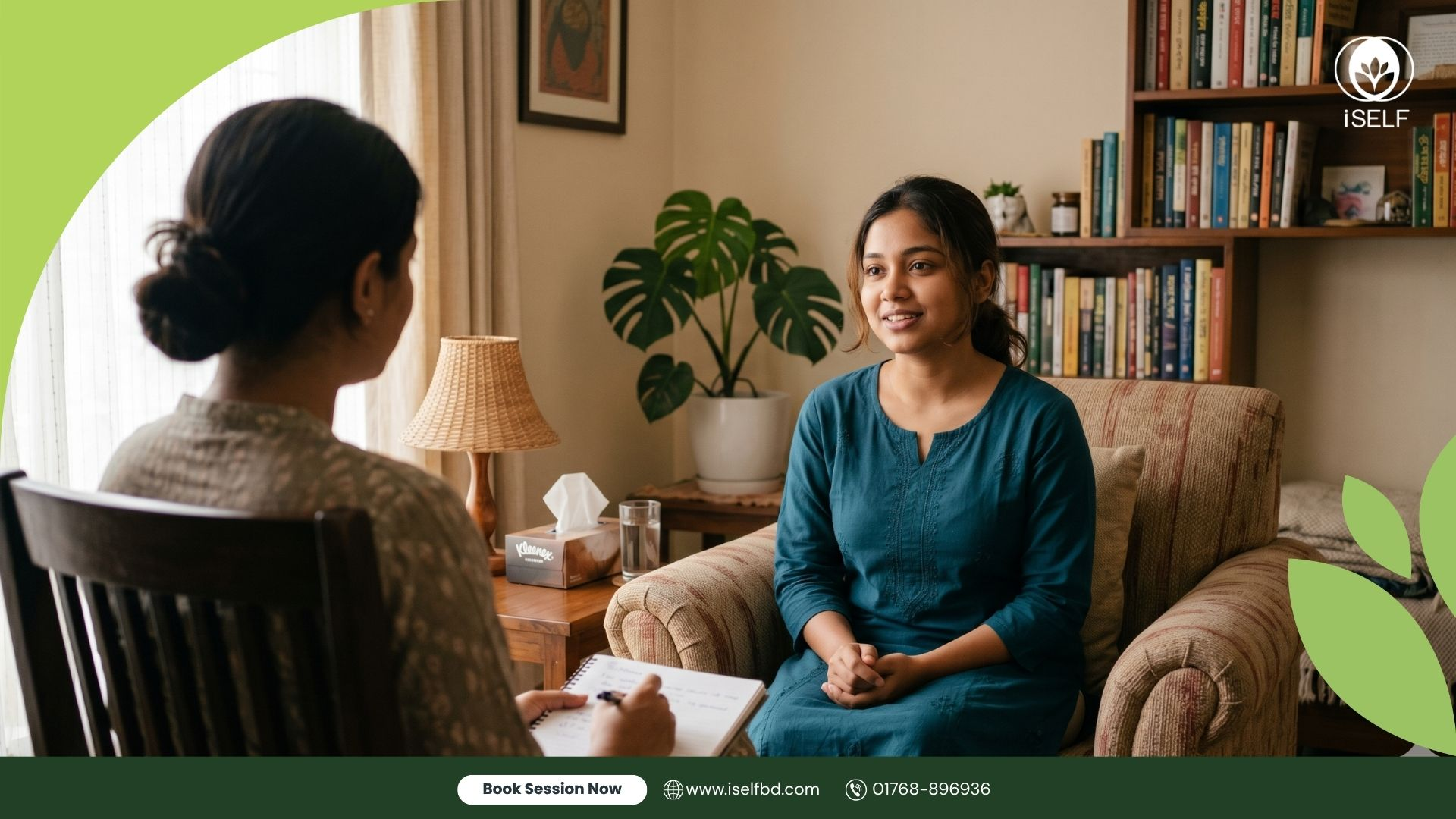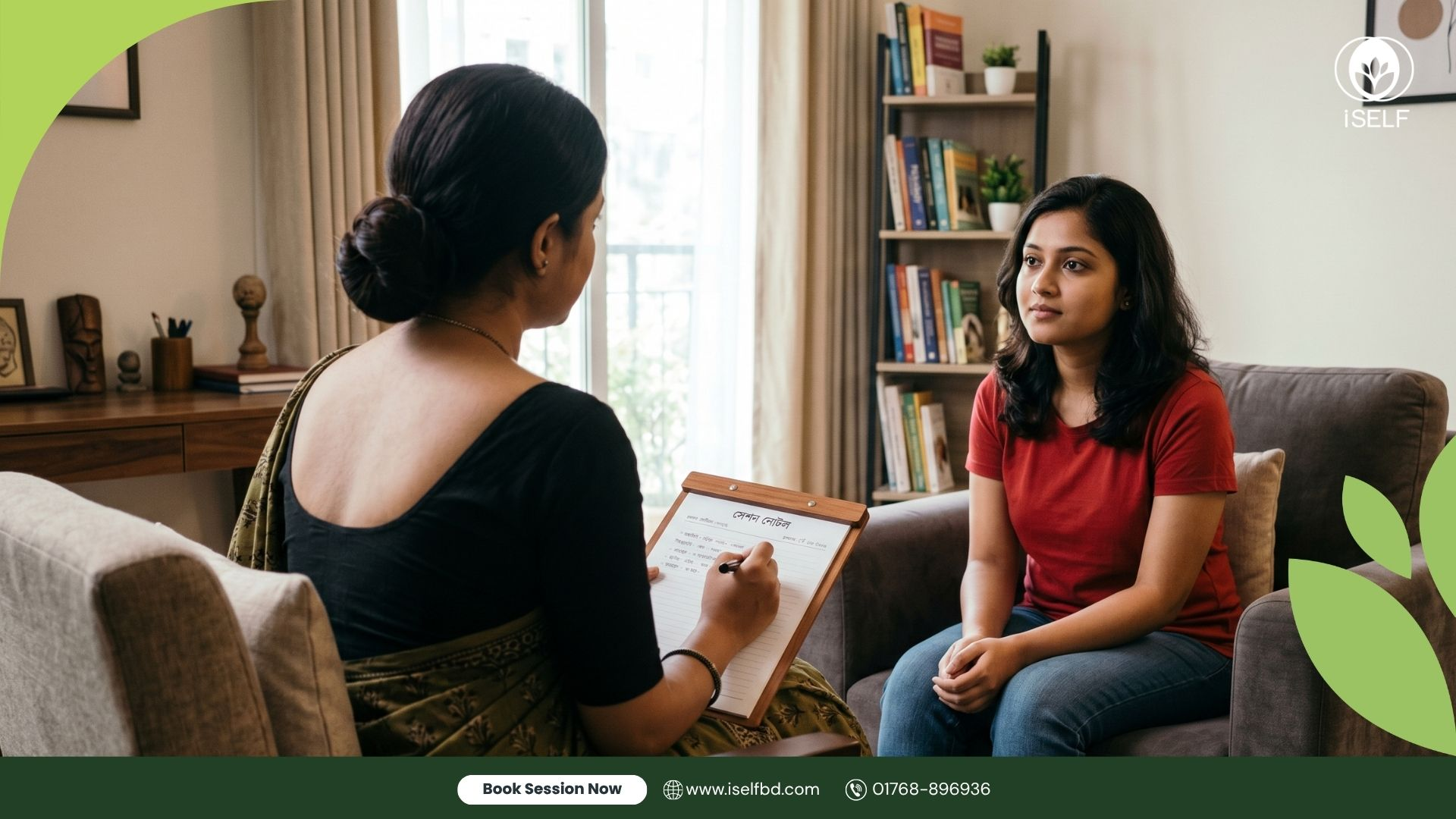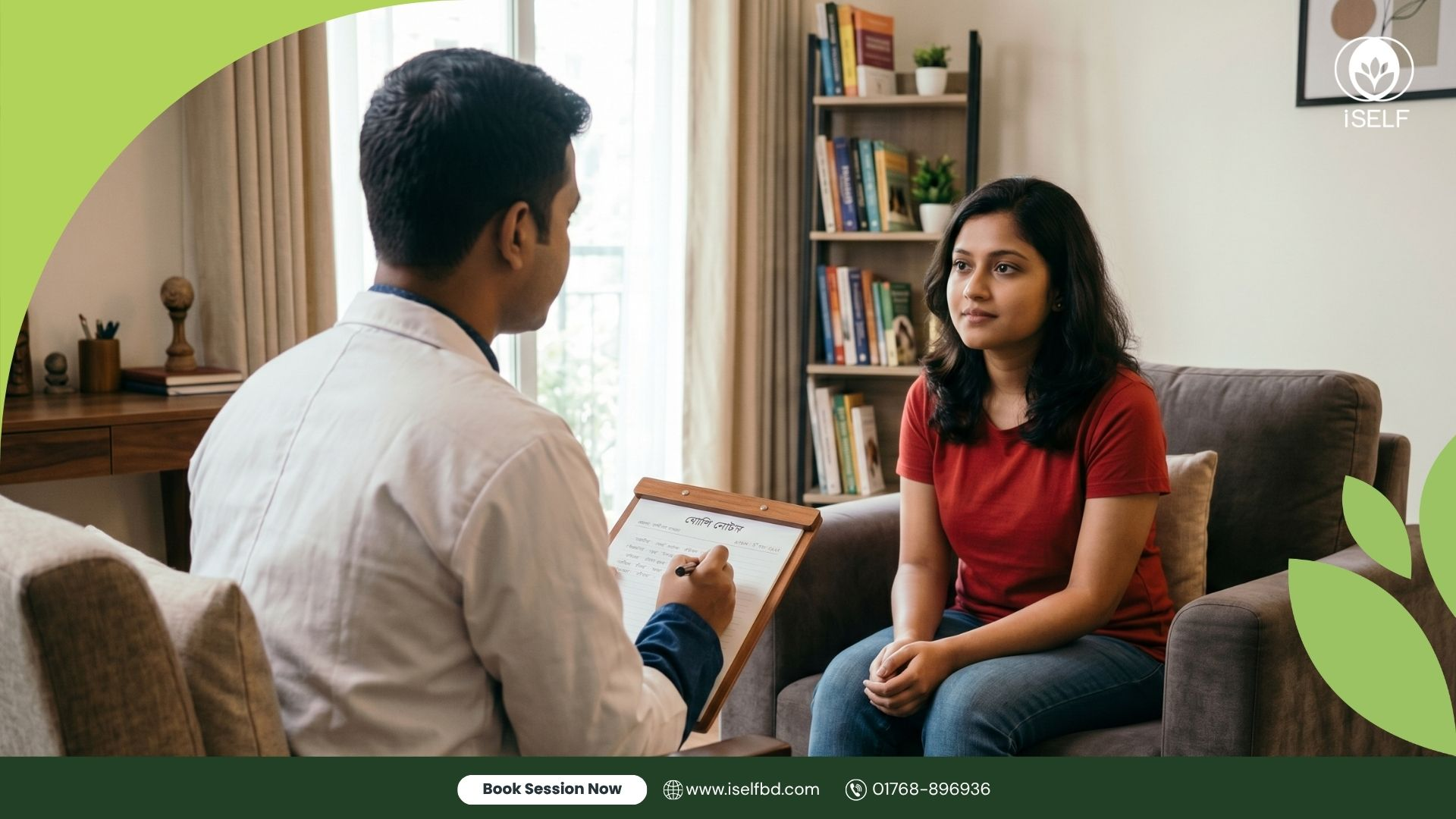

Taking the first step toward professional mental health support is a brave decision. However, many people in Bangladesh feel nervous before their first appointment because they aren’t sure what to expect. At iSELF, we believe that transparency helps reduce anxiety. If you have booked an appointment, understanding the structure of your first therapy session can help you feel more confident and prepared for the journey ahead.
If you have booked a session with a psychologist, here is a detailed look at how that first hour will unfold to help you prepare.
1. A Warm and Private Introduction
The moment you sit down, your psychologist will focus on making you feel at ease. The first therapy session usually begins with an explanation of confidentiality. In the field of mental health, privacy is the top priority. Your therapist will explain that your conversations are a "safe zone," meaning nothing you say leaves the room. This builds the trust necessary for successful counseling in Bangladesh.
2. The "Information Gathering" Phase
The first therapy session is often called an "intake" or assessment. Since the psychologist is meeting you for the first time, they need to understand the "big picture" of your life. They might ask questions about:
Current Challenges: What specific problems brought you here today? (e.g., anxiety, relationship issues, or work stress).
History: A brief look at your childhood, family dynamics, and past experiences.
Physical Health: How your sleep, appetite, and energy levels have been lately.
3. Setting Your Personal Therapy Goals
Therapy is most effective when it has a clear direction. Toward the end of the hour, you and your psychologist will discuss what "getting better" looks like to you. Whether you want to overcome depression, manage social anxiety, or improve your marriage, setting these goals during your first therapy session ensures that every future session has a purpose.
4. Understanding the Treatment Approach
Your therapist will explain the methods they use. For example, they might use Cognitive Behavioral Therapy (CBT), which is a highly effective way to change negative thinking. Unlike a psychiatrist who may focus on medication, the psychologist will explain how "Talk Therapy" will help you develop long-term coping skills.
Why the First Session is Just the Beginning
It is important to remember that the first therapy session is about connection, not an instant cure. You might feel a sense of relief after talking, or you might feel slightly emotional because you’ve opened up about difficult topics; both reactions are completely normal.
The primary goal of this initial meeting is to see if you and your psychologist are a good "fit." Think of it as the foundation of a building; while you haven't finished the house yet, you have finally laid the groundwork for a stronger, healthier version of yourself. By the time you leave the iSELF office after your first therapy session, you should have a clearer understanding of your own mind and a professional roadmap to follow. You aren't just "talking", you are actively investing in your future mental health.
iSELF Can Help
If you are ready to take this life-changing step, iSELF can help. Our team of experienced psychologists and psychiatrists is here to support you in a judgment-free environment. Whether you are dealing with stress, trauma, or personal growth, iSELF can help you find the right path. Let us walk with you toward a better tomorrow and iSELF can help you every step of the way.